
Scientific symposium about "Umami and Glutamate" 2015


The scientific symposium "Umami and Glutamate" organized by Ho Chi Minh City University of Science at Nikko Saigon Hotel attracted more than 300 representatives as lecturers and researchers specializing in biotechnology, food technology, and medicine fields from Ho Chi Minh City University of Science, University of Technology, University of Agriculture and Forestry, Ho Chi Minh University of Medicine and Pharmacy, Institute of Tropical Biology, etc. and leading medical experts of the city.
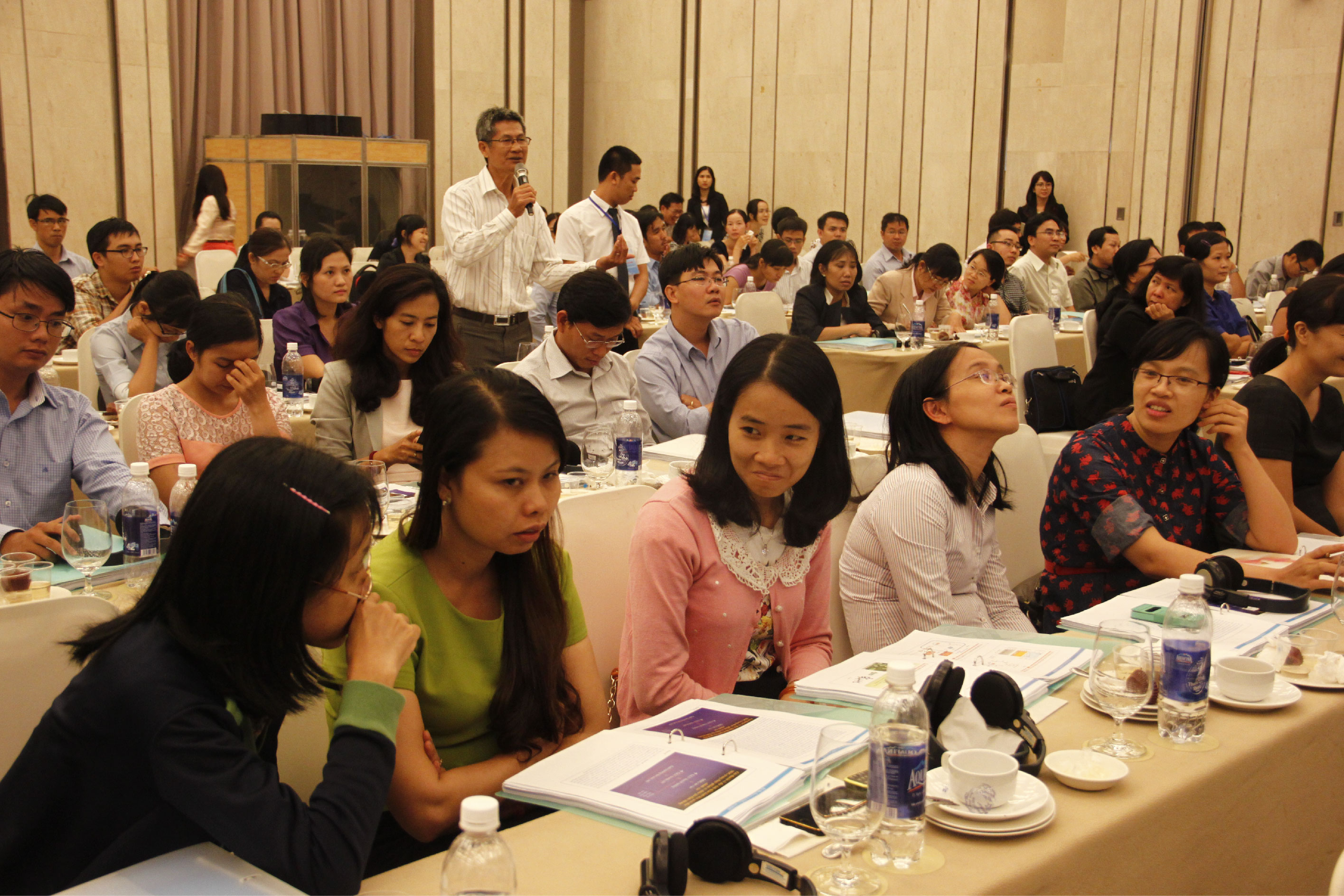

The symposium had presentations of three prestigious speakers, Prof. Dr. John D. Fernstrom from University of Pittsburgh School of Medicine (USA), Dr. Hisayuki Uneyama from Umami Information Center, and Assoc. Prof. Dr. Dong Thi Thanh Thu from Ho Chi Minh City University of Science.
During the symposium, participants were provided a lot of information about umami, the fifth basic taste in cuisine, along with the other four basic tastes of sweetness, sourness, saltiness and bitterness.
Described as the savory or meaty taste, umami is actually a close and familiar taste to Vietnamese culinary culture and other countries worldwide.
Umami is mainly created by glutamate, an amino acid that forms proteins in living organisms. In nature, glutamate exists abundantly in cattle and poultry meat, seafood, vegetables, milk and dairy products, fermented products such as fish sauce, monosodium glutamate (MSG), etc. Today, glutamate is produced by modern microbial fermentation.
Besides its role in creating umami, recent studies have shown that glutamate also has many physiological and nutritional functions in human body such as stimulating saliva and gastric juice secretion, supporting activities of the oral cavity and stomach, bringing umami taste to salt-reduced diets then helping to maintain the healthy diet better.
In addition, new discoveries show that umami is a signal of protein intake thence promotes protein digestion and has an effect on enhancing postingestive satiety, helping to avoid excess calories intake and creating healthy eating habits.
With these roles, preliminary studies show that glutamate added to the diet can contribute to improving the quality of human life.
In addition, an important content of the symposium was scientific information related to using glutamate in the diets via MSG. Accordingly, concerns about the safety of MSG have been shared and addressed.
Under scientific perspective, through research conducted on a large scale, MSG does not cause "Chinese Restaurant Syndrome"; in particular, some unpleasant reactions that some people think they experience after eating MSG-added food.
Furthermore, MSG does not affect the brain and nervous system as well as there is no relation between MSG and overweight, hypertension. Concerns that MSG may be converted by high temperatures into unhealthy substances have also been denied from a scientific perspective.
Finally, prestigious medicine and health organizations such as the World Health Organization (WHO), Scientific Committee for Food of European Community (EC/SCF), US Food and Drug Administration (US FDA), Ministry of Health of Vietnam have issued conclusions that MSG is safe when used under seasoning form in food processing.
In the discussion at the end of the symposium, many questions were raised to the speakers, showing that the content of this symposium attracted much attention of participants, in the context of issues related to food safety happening a lot recently.